Today I’m talking about ways you can work your child who is just starting to learn to read—things you can do at home to provide a solid foundation for becoming an independent reader. Knowledge of letter names and sounds, phonological awareness and phonemic awareness are among the many skills needed to begin reading independently and these tasks support those skills.
1. The game Boggle Junior is a great one for learning to spell and sound out simple words.
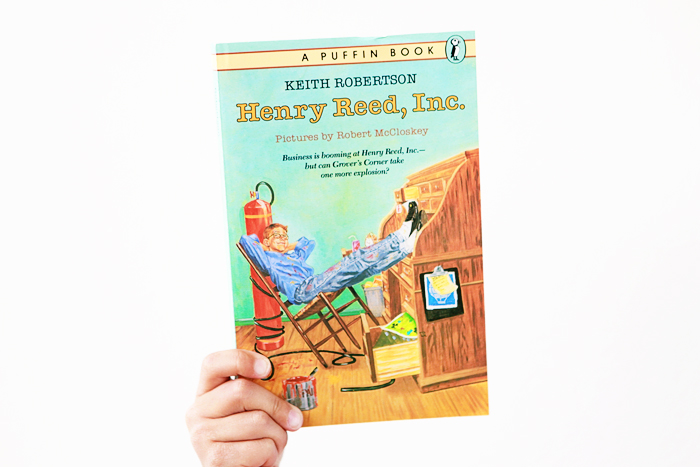
2. Mo Willems' Cat the Cat and Elephant and Piggie are both excellent series for beginning readers. Some of the words in the series will be difficult for a first-time reader to decode, but there are still a lot opportunities to practice reading simple first words in both series. For sight words, try a series like Bob Books. You can do repeated readings with you reading the book out loud with your finger pointing to each word as you read, then have your child follow along with her finger as you read. For a list of books for beginning readers, head over to this post.
3. Later you can try simultaneous reading (you and your child reading the sentences together in unison) as they become more familiar with the texts of the books you're reading on a regular basis.
4. Later you can have your child point out individual words that you say (e.g., "Find the word 'dog' and put your finger on it." "Can you find a word that starts with "b?").
5. You can work on some phonemic awareness like blending and segmenting (which are some of the more important ones) with the words from the books. An example of blending would be "What word am I saying? C - a - t." Later they become more familiar with the words, you can do segmenting, e.g., "Tell me all the sounds in the word 'cat.'" You can use manipulatives (like blocks) to represent each sound to provide support.
6. Joint writing (writing words, phrases and sentences together) also hugely supports pre-literacy skills. Draw pictures along with what you write to support reading comprehension.
7. And one last thing, making sure that you're reading rich children's picture books with good writing in them and having conversations about them every day goes a long way in supporting budding reading skills.
Check out other my other posts about how to work on phonemic awareness and early reading skills here.